









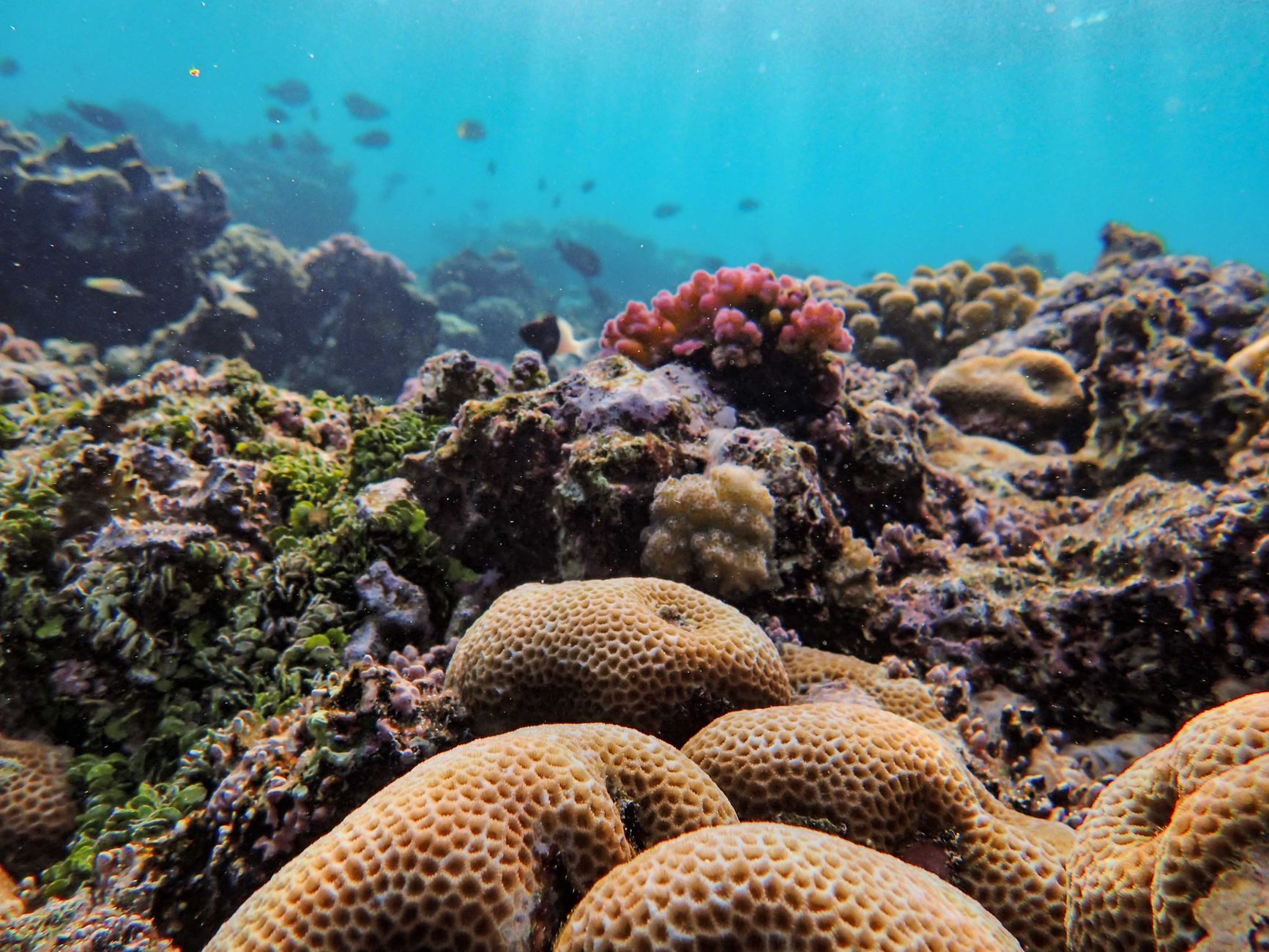
Coral reef recovery is crucial for marine ecosystems, and Stanford has developed groundbreaking methods to promote a fast and full recovery. This research offers hope for dying reefs worldwide.
Understanding Coral Reef Decline
Coral reefs, often referred to as the “rainforests of the sea,” have experienced significant decline due to various factors, including climate change, pollution, and overfishing. These vibrant ecosystems are crucial for marine biodiversity and provide essential services to coastal communities.
The decline of coral reefs has led to alarming statistics, with an estimated 50% of the world’s coral reefs already lost. This deterioration not only impacts marine life but also affects human populations reliant on reefs for food and tourism.
Understanding the underlying causes of coral reef decline is vital for implementing effective recovery strategies. Recent studies highlight the importance of fostering coral reef recovery through targeted conservation efforts and innovative restoration techniques, ensuring these ecosystems can thrive once again.
As research continues, it is clear that timely action can lead to a faster and more robust recovery of these essential habitats.
Importance of Coral Reefs
Coral reefs are vital ecosystems that support a diverse range of marine life. They provide habitat for approximately 25% of all marine species, making them essential for biodiversity. Additionally, coral reefs offer significant economic benefits through tourism and fisheries, contributing billions of dollars to coastal communities worldwide.
Moreover, these underwater structures act as natural barriers, protecting shorelines from erosion and storm damage. Their health is closely linked to the well-being of marine environments and the livelihoods of millions of people. The importance of coral reefs extends beyond their beauty; they play a crucial role in maintaining ecological balance.
Given the alarming rate of coral reef decline, strategies for coral reef recovery are more important than ever. By implementing effective restoration techniques, we can ensure these ecosystems continue to thrive for future generations.
Stanford’s Innovative Approach
Stanford researchers have developed an innovative approach to coral reef recovery that could significantly enhance restoration efforts. By utilizing a combination of advanced genetic techniques and environmental monitoring, the team aims to accelerate the healing process of damaged reefs. Their strategy involves identifying resilient coral species and encouraging their growth in areas suffering from bleaching and other stressors.
Key components of Stanford’s approach include:
- Genetic Diversity: Promoting genetic variation among coral populations to enhance resilience.
- Environmental Management: Implementing measures to reduce local stressors, such as pollution and overfishing.
- Community Engagement: Involving local communities in conservation efforts to foster a deeper connection to marine ecosystems.
This multifaceted strategy could be crucial for achieving fast and effective coral reef recovery in the face of climate change.
Methods for Effective Recovery
Various methods have been identified as effective strategies for coral reef recovery. These approaches focus on enhancing the natural resilience of coral ecosystems and restoring their health. Some of the key methods include:
- Coral Gardening: This involves cultivating coral fragments in nurseries before transplanting them back to degraded reefs.
- Selective Breeding: Scientists are working on breeding coral species that are more resilient to changing ocean conditions.
- Restoration of Marine Protected Areas: Establishing protected zones helps to reduce human impact and promote biodiversity.
- Reducing Pollution: Efforts to minimize runoff and waste entering the ocean can significantly improve water quality.
By employing these methods, researchers aim to accelerate coral reef recovery and ensure these vital ecosystems can thrive once more.
Impact on Marine Ecosystems
The recovery of coral reefs is crucial not only for the reefs themselves but also for the broader marine ecosystems they support. Healthy coral reefs provide habitats for a diverse range of marine species, from fish to invertebrates. Their decline can lead to significant imbalances in marine life, affecting food chains and local fisheries.
Research shows that successful coral reef recovery can lead to improved biodiversity and resilience against climate change. Some key impacts on marine ecosystems include:
- Increased Fish Populations: Restored reefs provide essential breeding grounds for numerous fish species.
- Enhanced Biodiversity: Healthy reefs support a diverse array of marine life, contributing to ecosystem stability.
- Coastal Protection: Recovered reefs act as natural barriers against storms, protecting coastlines and human communities.
Ultimately, coral reef recovery is essential for the health of marine ecosystems and the services they provide to humanity.
Future of Coral Conservation
The future of coral conservation hinges on innovative strategies and global collaboration. As the urgency to combat coral reef decline grows, researchers and environmentalists are focusing on effective methods to ensure coral reef recovery.
Key initiatives include:
- Restoration Projects: Engaging local communities in restoration efforts can enhance biodiversity and improve reef resilience.
- Technological Advancements: Utilizing drones and underwater robotics allows for precise monitoring and data collection on coral health.
- Policy Changes: Strengthening marine protected areas can help safeguard vulnerable coral ecosystems from overfishing and pollution.
- Education and Awareness: Raising public awareness about the importance of coral reefs fosters a culture of conservation and responsibility.
With these efforts, the hope for coral reef recovery becomes more tangible, signaling a brighter future for marine ecosystems worldwide.
Photo by Francesco Ungaro on Pexels
References
Related reading
Inline links in AI responses: The Smart Change from Google · Is the ByteDance ASIC Deal the Best Move for Nvidia? · Is Fire Emblem Fortune’s Weave DLC the Best Addition Ever?