








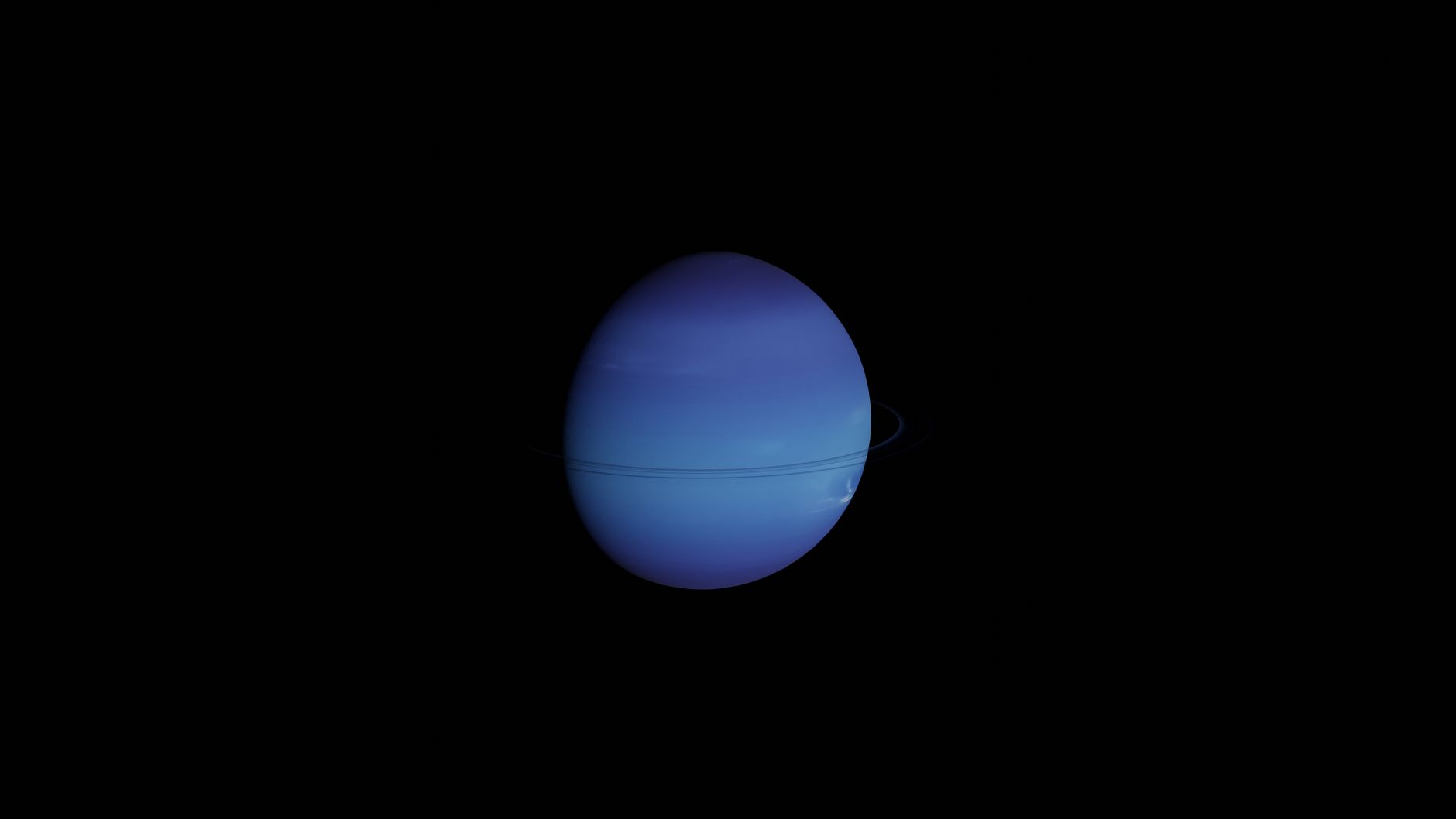
The mysterious planet disappearance has left astronomers baffled. Observations of a planet 1,000 light-years away showed it vanishing suddenly, raising questions about cosmic phenomena and the nature of our universe.
What Caused the Mysterious Planet Disappearance?
The recent observation of a mysterious planet disappearance has left astronomers and enthusiasts alike baffled. Scientists were taken by surprise when a planet located approximately 1,000 light-years away seemed to vanish before their very eyes. This unprecedented event has initiated a flurry of theories regarding its cause.
Several potential explanations have emerged from the scientific community:
- Celestial Phenomena: One theory suggests that the planet may have been engulfed by a nearby star or experienced a cataclysmic event, such as a supernova, leading to its sudden disappearance.
- Technological Limitations: Some experts argue that the disappearance could be attributed to limitations in current observational technology. The planet might not have vanished at all but could instead be obscured by cosmic debris or other celestial bodies.
- Atmospheric Disruptions: Another possibility is that atmospheric changes on the planet itself could have made it undetectable. Variations in its atmosphere might have affected how it reflects light, creating the illusion of disappearance.
As researchers continue to investigate this unprecedented cosmic mystery, the scientific community remains eager for further data. Understanding the cause of the mysterious planet disappearance may not only unveil the fate of this distant world but also enhance our knowledge of planetary systems in the universe.
Astronomers React to the Vanishing Planet
Following the astonishing news of the mysterious planet disappearance, astronomers from around the globe have expressed their disbelief and intrigue. The sudden vanishing of a planet located 1,000 light-years away has left many in the scientific community questioning the very fabric of our understanding of the universe.
Dr. Emily Carter, an astrophysicist at the Space Research Institute, stated, “This event challenges our current theories about planetary formation and existence. We need to investigate if this is a rare phenomenon or if it has happened before without our knowledge.”
Experts have also pointed out the potential implications of this occurrence. Dr. Raj Patel, a leading researcher in exoplanet studies, noted, “If a planet can vanish so suddenly, it opens up new avenues of research into cosmic events that we thought were impossible.”
Many astronomers are now racing to gather data and analyze the circumstances surrounding the mysterious planet disappearance. They are focusing on several key areas:
- Gravitational Effects: Investigating if a nearby massive object could have influenced the planet’s disappearance.
- Observational Errors: Examining the data for any possible miscalculations or anomalies in the observations.
- Astrophysical Phenomena: Considering the role of black holes or other cosmic phenomena that could account for this anomaly.
As the investigation continues, the scientific community remains both excited and puzzled by the implications of this event.
Implications of the Mysterious Planet Disappearance
The recent mysterious planet disappearance has left scientists and astronomers grappling with significant implications for our understanding of the universe. The phenomenon, which occurred 1,000 light-years away, raises questions about the stability of planetary systems and the forces that govern celestial bodies.
- Understanding Planetary Dynamics: The vanishing of a planet challenges existing models of planetary formation and stability. Astronomers are now re-evaluating how planets interact with each other and their host stars, potentially leading to new insights in astrophysics.
- Impact on Exoplanet Studies: This event could affect how researchers identify and study exoplanets. The mysterious planet disappearance emphasizes the need for more advanced observational techniques to detect anomalies that traditional methods may overlook.
- Cultural and Philosophical Considerations: The event has ignited discussions beyond science, prompting questions about humanity’s place in the universe and the nature of existence itself. Such occurrences challenge our understanding of reality and the cosmos.
- Future Research Directions: The enigma surrounding the mysterious planet disappearance will likely lead to a surge in research initiatives aimed at uncovering similar occurrences. This ongoing investigation could reshape current theories and lead to groundbreaking discoveries.
As astronomers continue to study the implications of this extraordinary event, the scientific community remains on high alert, eager to unravel the mysteries surrounding the cosmos.
Understanding Cosmic Phenomena
The cosmos has long fascinated humanity, presenting an array of celestial events that challenge our understanding of the universe. Among these phenomena, the recent mysterious planet disappearance has captivated the attention of both scientists and enthusiasts alike.
To comprehend such events, it is essential to explore various cosmic phenomena that could lead to a planet’s sudden vanishing. Some of these phenomena include:
- Gravitational Interactions: When two celestial bodies pass close to one another, their gravitational forces can lead to dramatic changes, potentially pulling a planet out of its orbit.
- Stellar Evolution: A star’s life cycle can influence nearby planetary systems. For instance, if a star undergoes a supernova, it may disrupt the planets orbiting it, leading to their disappearance.
- Black Holes: The presence of a black hole nearby can result in a planet being consumed or torn apart by its immense gravitational pull.
- Dimensional Shifts: Some theories suggest that other dimensions could intersect with our universe, causing planets to momentarily phase out of existence.
As scientists continue to investigate the mysterious planet disappearance, understanding these cosmic phenomena may bring us closer to unraveling the mysteries of our universe.
Photo by Zelch Csaba on Pexels