





Denied or Delayed? How a Public Adjuster Can Help With Your Flood Insurance Claim
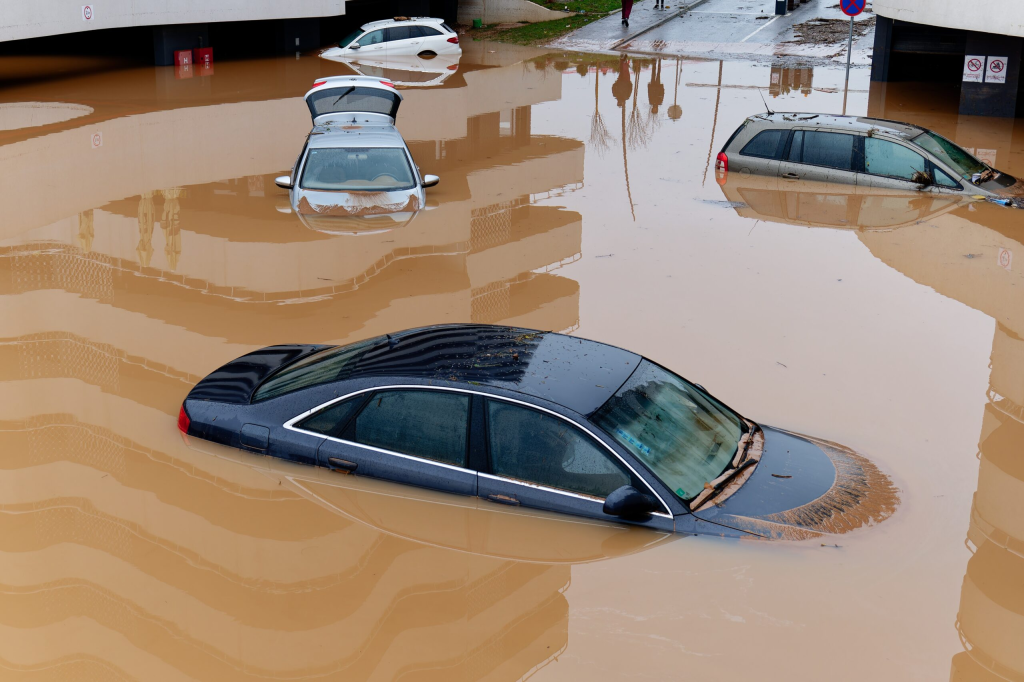
Flooding can devastate a home in ways that go far beyond what’s immediately visible. While homeowners work tirelessly to protect their families and belongings, navigating the claims process can feel just as overwhelming. With confusing policy language and frequent delays in payouts, many claims end up underpaid or denied altogether. That’s why bringing in a flood insurance claim public adjuster can make a meaningful difference ensuring your claim is handled thoroughly and fairly from start to finish.
The Maze of Filing Flood Damage Claims
Unlike general homeowner’s insurance, flood protection is a different category altogether. Many policies come from FEMA’s National Flood Insurance Program (NFIP), while others are managed by private insurers. Regardless of the source, the paperwork, inspections, and requirements are exhaustive.
What makes the process more difficult is that policyholders often don’t understand the limits and exclusions written into their contracts. While they assume their coverage includes everything from furniture to structural damage, they’re frequently met with unpleasant surprises.
This confusion opens the door to errors in documentation or missed deadlines—leading to delays or outright denials.
Why Claims Get Denied More Often Than You Think
Receiving a denied flood claim can feel like a second disaster after the waters recede. But denials don’t always mean there’s no path forward. Common reasons for denial include:
- Incomplete or inaccurate paperwork
- Missed filing deadlines
- Discrepancies in the reported cause of damage
- Uncovered items or pre-existing conditions
These reasons are not always valid, but without professional help, homeowners often don’t know how to challenge them.
How a Public Adjuster Makes a Real Difference
A public adjuster is trained to represent your interests not the insurance company’s. These professionals are familiar with the language of policies, the evidence needed to support a strong claim, and the tactics some carriers use to minimize payouts.
Once hired, they handle communications with insurers, gather documentation, and negotiate on your behalf. Their main goal is to ensure the settlement reflects the full scope of the damage something policyholders might struggle to assess on their own.
Whether you’re dealing with FEMA insurance or a private provider, public adjusters are equipped to spot gaps in evaluations and address discrepancies in the claim process.
Getting Flood Damage Claim Help from the Right Source
Not every adjuster is the same. Independent or company-employed assessors work for the insurer, not the policyholder. In contrast, public adjusters are your direct advocates. Their compensation is usually tied to the settlement you receive, so they’re motivated to maximize your payout.
This kind of flood damage claim help can be crucial, especially when there are structural issues, mold risks, or items with sentimental value that are hard to quantify. With an expert in your corner, you’re more likely to receive a comprehensive settlement and avoid the emotional toll of drawn-out disputes.
FEMA and Private Flood Insurance: What You Need to Know
FEMA insurance through the NFIP offers some foundational coverage, but it often falls short of covering real-world losses. For instance, limits on structural payouts and exclusions for basement items are common.
Many homeowners supplement FEMA policies with private flood insurance for broader protection. However, private insurers may follow different rules when it comes to deadlines, documentation, and damage assessment.
In either case, working with a public adjuster can help you understand exactly what’s covered, prepare for potential shortfalls, and file appeals when necessary. Their experience with both FEMA and private policies gives you a fighting chance in the event of a shortchanged or denied payout.
When Every Day Counts After a Flood
Flood damage isn’t just about wet floors and ruined furniture. The aftereffects include mold growth, electrical hazards, and long-term structural degradation. Acting quickly is important not just to repair the damage but to ensure proper documentation.
A public adjuster knows which evidence carries weight with insurers. They can coordinate inspections, photograph damage, and build a case that aligns with policy requirements.
Instead of trying to juggle cleanup and claim management simultaneously, bringing in a professional gives you room to focus on what matters most—restoring your home and protecting your family.
Reclaiming Control After a Denied Flood Claim
Facing a claim rejection is frustrating, but it’s not the end of the road. Policyholders have the right to appeal. Still, the appeals process requires new evidence, detailed justifications, and a full understanding of the policy’s terms.
With an experienced public adjuster leading the appeal, homeowners often find that the outcome is more favorable than the original decision. They understand how to contest low-ball offers, correct overlooked damages, and counter unsupported denial reasons.
Especially when the flood has caused widespread damage, and settlements determine your ability to rebuild, that second effort can make all the difference.
Make Informed Decisions, Not Rushed Ones
Flood recovery is physically and emotionally exhausting. It’s tempting to accept the first settlement offer just to move forward but this can result in long-term regret if that offer doesn’t cover everything.
A public adjuster provides more than claim assistance they offer peace of mind. Knowing that someone is working on your behalf, thoroughly examining the damage and pushing for a fair outcome, allows you to focus on healing and rebuilding.
Before you accept a low estimate or walk away from a denied flood claim, consider speaking to a professional who can interpret your policy, guide your decisions, and fight for what you rightfully deserve.