







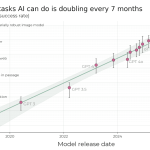

AI model safety concerns have arisen as OpenAI abandons its planned AI model following safety issues. This decision reflects the ongoing debate about the safety of AI technologies.
Understanding OpenAI’s Decision
OpenAI’s recent decision to abandon a planned AI model highlights the growing AI model safety concerns that have emerged in the tech community. As artificial intelligence becomes increasingly integrated into society, the potential risks associated with its deployment are garnering more attention from both experts and the public.
According to sources, the decision was influenced by feedback from a range of stakeholders, including researchers, ethicists, and regulatory bodies. OpenAI aims to prioritize safety and ethical considerations in its development processes, ensuring that any new AI models align with responsible practices.
Key factors contributing to this decision include:
- The potential for misuse of advanced AI technologies.
- Concerns regarding bias and fairness in AI-generated outputs.
- The need for transparency and accountability in AI systems.
While some critics argue that this move may stifle innovation, proponents believe it is a necessary step toward ensuring that AI developments are both safe and beneficial for society. OpenAI’s commitment to addressing these safety concerns reflects a broader trend in the tech industry, where ethical considerations are becoming paramount.
The Importance of AI Safety
The rapid advancement of artificial intelligence has brought to light a range of safety concerns that are essential to address in the development of AI models. As organizations like OpenAI navigate these challenges, the importance of prioritizing AI model safety cannot be overstated.
Safety in AI is crucial for several reasons:
- Preventing Misuse: An AI model that is not adequately safe can be exploited for malicious purposes, leading to potential harm.
- Ensuring Reliability: Users must trust that AI systems will perform as expected without causing unintended consequences.
- Ethical Considerations: Developers have a moral responsibility to create systems that do not propagate bias or misinformation.
- Long-term Implications: The decisions made today will shape the future of AI, making safety concerns paramount for sustainable development.
As OpenAI recently made the decision to abandon a planned AI model, the focus on AI model safety reflects a commitment to responsible innovation. Balancing progress with caution is key to ensuring that AI technologies contribute positively to society.
What Led to OpenAI’s Abandonment?
The recent decision by OpenAI to abandon its planned AI model has raised eyebrows within the tech community, prompting discussions about the implications of AI model safety concerns. Several factors contributed to this significant choice.
- Regulatory Pressure: As governments worldwide begin to implement stringent regulations on artificial intelligence, OpenAI faced increasing pressure to ensure that its models adhere to these emerging standards.
- Public Backlash: Concerns from the public regarding the potential misuse of AI technology played a crucial role. High-profile incidents involving AI misuse have heightened fears about the safety of deploying advanced models.
- Internal Assessments: OpenAI’s internal research teams identified possible risks associated with the new model, leading to a reevaluation of its readiness for deployment.
- Expert Opinions: Feedback from industry experts highlighted the potential dangers of releasing a model that may not meet the necessary safety benchmarks.
These factors combined have led OpenAI to prioritize safety over innovation, marking a pivotal moment in the ongoing conversation about the responsibilities of AI developers in ensuring that their creations do not pose a threat to society.
Implications for Future AI Models
The recent decision by OpenAI to abandon its planned AI model has raised significant implications for future AI models. As safety concerns continue to dominate discussions within the tech community, developers and researchers are increasingly prioritizing AI model safety concerns over rapid advancements. This cautious approach may set a precedent for other organizations to follow, fostering a culture of responsibility and ethical development.
One major implication is the potential delay in the deployment of innovative AI technologies. While the abandonment of a model may seem detrimental, it highlights the necessity of thorough testing and evaluation. Stakeholders may now advocate for more stringent safety protocols, ensuring that future models are not only effective but also secure.
Additionally, this shift in focus could lead to enhanced collaboration among tech companies, regulatory bodies, and academia. By working together, these groups can create a robust framework that addresses safety concerns and promotes transparency. Ultimately, the lessons learned from OpenAI’s decision could pave the way for more reliable AI systems that prioritize user safety and ethical standards, shaping the future landscape of artificial intelligence.
Community Reactions to OpenAI’s Move
As news broke about OpenAI’s decision to abandon a planned AI model, reactions from the community poured in, reflecting a mix of support and skepticism. Many experts in artificial intelligence expressed their appreciation for OpenAI’s commitment to AI model safety concerns, emphasizing that prioritizing safety is essential in an increasingly complex technological landscape.
However, not all feedback was positive. Some critics argued that the abandonment could hinder progress in AI development. They voiced concerns that by being overly cautious, OpenAI might stifle innovation and limit the potential benefits that advanced models could bring to society.
Supporters of the decision pointed out that the safety of AI systems should never be compromised for the sake of rapid advancement. They highlighted the importance of developing robust frameworks to address ethical issues and ensure that AI technologies serve humanity effectively.
In online forums and social media, discussions have been lively, with users sharing their thoughts on the balance between innovation and safety. As the debate continues, it is clear that the implications of OpenAI’s decision will resonate within the AI community for some time.
Comparing AI Model Safety Standards
As the debate surrounding AI model safety concerns intensifies, various organizations and researchers are reevaluating their safety standards. OpenAI’s recent decision to abandon a planned AI model due to these concerns has sparked discussions about the effectiveness of current safety measures in the industry.
Several key factors highlight the discrepancies in safety standards across different AI developers:
- Transparency: Companies that maintain open communication about their AI development processes often establish greater trust with the public.
- Testing Protocols: Rigorous testing and evaluation of AI models before deployment can help identify potential risks and mitigate them effectively.
- Ethical Guidelines: Adherence to strong ethical principles during the design and implementation of AI systems is crucial for ensuring their safe use.
- Community Engagement: Involving a diverse range of stakeholders in discussions about AI safety can lead to more comprehensive safety standards.
While OpenAI’s cautious approach may serve as a model for others, it raises questions about whether the industry as a whole is prepared to prioritize AI model safety concerns over competitive pressures.
Expert Opinions on AI Development
Experts in the field of artificial intelligence have been vocal about the recent decision by OpenAI to abandon its planned AI model due to safety concerns. Many believe this move underscores the growing scrutiny surrounding AI model safety concerns that have permeated the industry.
Dr. Emily Chen, a leading AI ethics researcher, stated, “OpenAI’s choice reflects a responsible approach to AI development. Prioritizing safety over rapid deployment is crucial for maintaining public trust.” Meanwhile, Dr. Raj Patel, a prominent AI developer, emphasized that “the potential risks of deploying an unsafe model can far outweigh the benefits, making safety a non-negotiable aspect of AI design.”
Additionally, Dr. Sarah Li, an expert in machine learning, noted, “This decision may set a precedent for other companies in the AI space, encouraging a more cautious and thoughtful approach to model development.” She added that the industry must come together to establish clearer guidelines and standards for safety to ensure robust AI systems.
The consensus among these experts is clear: as AI technology continues to evolve, addressing AI model safety concerns should remain a top priority for developers and stakeholders alike.
As the debate intensifies around AI model safety concerns, experts are urging for more transparency in the development processes. Addressing these AI model safety concerns is crucial for ensuring public trust and ethical usage of artificial intelligence technologies.
By Me in ME via Openverse