









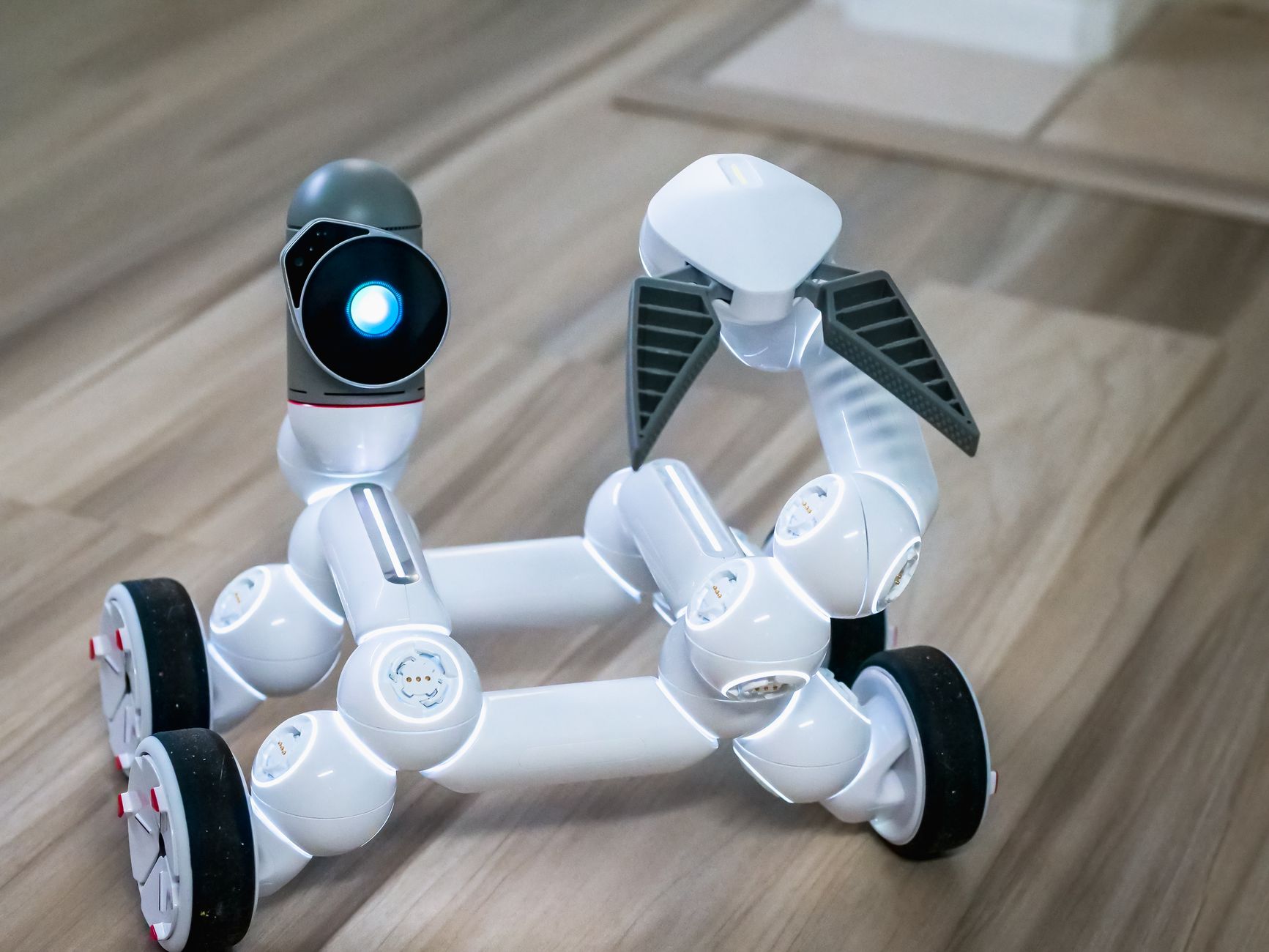
The robot builds structure in space autonomously, marking a historic achievement in space exploration and robotics. This groundbreaking event showcases the potential of autonomous technology in extreme environments.
The Historic Achievement of Autonomous Robots
The recent achievement of a robot builds structure in space marks a significant milestone in the realm of autonomous technology. For the first time, a robot has successfully constructed a structure in the harsh environment of outer space without any human intervention. This historic event not only showcases the advancements in robotics but also opens up new possibilities for future space exploration.
Engineers and scientists have long anticipated the day when robots could perform complex tasks in a setting where human presence is limited. The successful deployment of this autonomous robot demonstrates its ability to:
- Navigate challenging terrains
- Assemble intricate components
- Operate under extreme conditions
As this technology evolves, it is expected to play a crucial role in constructing habitats and infrastructure for astronauts on long-duration missions to destinations like Mars. The implications of this achievement extend beyond mere construction, potentially revolutionizing how we approach space habitation and exploration.
How the Robot Built in Space
In a remarkable display of technological advancement, a robot builds structure in space, showcasing its autonomous capabilities. The mission involved a series of meticulous tasks that the robot executed with precision and efficiency.
The robot was equipped with advanced tools and sensors, enabling it to navigate the challenging environment of space. This included:
- Site Assessment: The robot conducted an initial survey of the designated area, analyzing the terrain and identifying suitable locations for construction.
- Material Handling: Utilizing robotic arms, it carefully selected and manipulated materials, ensuring optimal placement and structural integrity.
- Assembly Process: The robot followed pre-programmed instructions to assemble the structure, adapting to real-time conditions and making necessary adjustments.
- Quality Control: Throughout the construction phase, the robot performed self-checks, verifying the stability and alignment of the structure.
This unprecedented achievement not only marks a significant milestone in space exploration but also paves the way for future missions, where autonomous robots could play a crucial role in building habitats and infrastructure beyond Earth.
Implications for Future Space Missions
The recent achievement of a robot that builds structures in space marks a significant milestone with profound implications for future space missions. As space agencies look toward long-term habitation and exploration beyond Earth, the ability to use autonomous robots in building habitats and other structures will become increasingly crucial.
One of the key advantages of deploying robots in space is their ability to operate in environments that are hostile to humans. These robots can work continuously without the need for breaks, sleep, or safety concerns, allowing for more efficient use of resources and time. Moreover, the technology developed during this mission could lead to advancements in robotics and automation, enhancing capabilities for future endeavors.
- Cost Reduction: Utilizing robots can minimize the expenses associated with human involvement in construction tasks.
- Scalability: Robots can be scaled and deployed for large projects, making ambitious missions more feasible.
- Innovation: This milestone opens the door to new technologies that can improve robotic efficiency and effectiveness.
As the exploration of Mars and other celestial bodies becomes a reality, the potential for robots to build structures in space will be a game changer for humanity’s quest to expand into the cosmos.
Technological Innovations Behind the Robot
The success of the recent space construction project can be attributed to several cutting-edge technological innovations that empowered the robot to build a structure in space autonomously. These advancements include sophisticated artificial intelligence algorithms that enable the robot to make real-time decisions based on its environment.
Additionally, the robot is equipped with advanced sensors that provide detailed feedback on structural integrity and spatial awareness. This capability allows it to adapt its building techniques to different conditions, ensuring that the structure remains stable throughout the construction process.
Another significant innovation is the use of lightweight, durable materials designed for space applications. These materials not only support the structural requirements but also facilitate easier handling and assembly by the robot.
Furthermore, the integration of machine learning allows the robot to improve its construction methods over time, learning from each task performed. This combination of technology ensures that the robot can efficiently and effectively build various structures, paving the way for future missions that may rely on similar autonomous systems.
Expert Reactions to the Milestone
Experts in the field have expressed their enthusiasm regarding the milestone achieved by the autonomous robot that builds structures in space. Dr. Sarah Thompson, a leading aerospace engineer, stated, “This breakthrough demonstrates the potential for robots to undertake complex tasks beyond Earth, paving the way for future colonization efforts.”
Dr. John Lee, a roboticist, emphasized the significance of this achievement by noting, “A robot builds structure in space without human intervention, showcasing not only advanced engineering but also the trust we can place in autonomous systems.”
In a panel discussion, space industry leaders echoed similar sentiments:
- Dr. Emily Cartwright: “This is just the beginning; imagine the possibilities for sustainable habitats on other planets.”
- Professor Mark Reynolds: “Robotic capabilities will shape the future of how we approach space exploration.”
As the world watches, the consensus is clear: the success of the robot signals a new era in space technology and exploration.
Next Steps in Space Robotics
As the space exploration landscape evolves, the next steps in space robotics are becoming increasingly crucial. Following the groundbreaking achievement of a robot builds structure in space, scientists and engineers are now focusing on enhancing the capabilities of these autonomous machines.
Key areas of development include:
- Improved Navigation Systems: Future robots will require advanced navigation technologies to operate in more complex environments beyond low Earth orbit.
- Enhanced Material Utilization: Research is underway to identify and utilize local materials on celestial bodies, allowing robots to build structures using resources found in space.
- Collaboration with Human Crews: Developing robots that can work alongside astronauts will likely increase efficiency and safety during missions.
- Long-Duration Autonomy: Future robots need to sustain operations over extended periods, necessitating improvements in their energy and maintenance capabilities.
These advancements not only promise to make space exploration more sustainable but also pave the way for new discoveries and human habitats in the cosmos.
The recent success of the project demonstrates how a robot builds structure in space can significantly reduce the need for human intervention in harsh environments. As technology advances, the potential applications for a robot builds structure in space will only continue to expand.
Photo by Kindel Media on Pexels