








Deep-sea mollusk bacteria have been found to inhabit unique structures known as ‘dragon balls’, revealing fascinating new symbiotic relationships. This discovery sheds light on the intricate connections between marine life and microorganisms.
What are deep-sea mollusks?
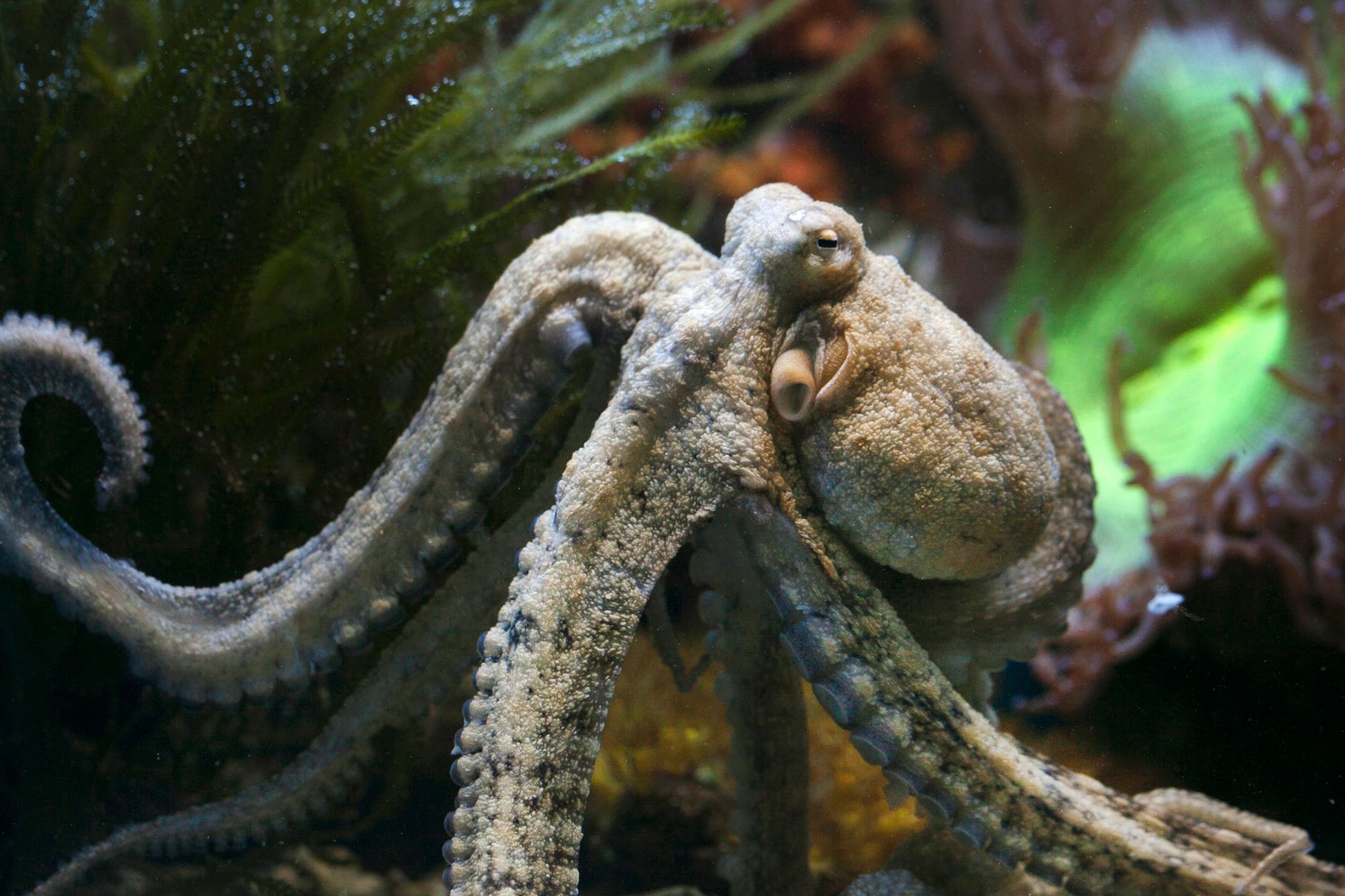
Deep-sea mollusks are fascinating marine organisms that thrive in the ocean’s depths, often in extreme conditions. These creatures include species such as clams, snails, and octopuses, which have adapted to survive in high pressure and low light environments. One remarkable aspect of deep-sea mollusks is their ability to form symbiotic relationships with bacteria. Recent research has unveiled that these mollusks house bacteria in specialized structures known as ‘dragon balls.’
This discovery sheds light on the complex interactions between deep-sea mollusk bacteria and their hosts, illustrating how these organisms work together for mutual benefit. The bacteria provide essential nutrients to the mollusks, while the mollusks offer a safe habitat for the bacteria to thrive. This symbiotic relationship is crucial for the survival of both organisms in the challenging deep-sea ecosystem.
The role of bacteria in marine ecosystems
Bacteria play a crucial role in marine ecosystems, particularly in the deep-sea environment where conditions are extreme. In this unique habitat, deep-sea mollusk bacteria form symbiotic relationships with their hosts, aiding in nutrient acquisition and energy production. These microorganisms can help mollusks metabolize sulfur compounds, which are abundant in deep-sea vents and contribute to the carbon cycle.
Recent discoveries have shown that certain deep-sea mollusks house bacteria in specialized structures, often referred to as “dragon balls.” These structures enhance the efficiency of nutrient exchange between the mollusks and their bacterial partners. The intricate nature of these relationships highlights the importance of deep-sea mollusk bacteria in maintaining the health and stability of marine ecosystems, demonstrating the interconnectedness of life in the ocean’s depths.
Understanding symbiotic structures
Recent research has unveiled fascinating insights into the symbiotic structures of deep-sea mollusk bacteria. These unique relationships are crucial for the survival of many deep-sea mollusks, which rely on their bacterial partners for essential nutrients. The discovery of tiny structures, referred to as dragon balls, has provided a clearer understanding of how these organisms interact and thrive in extreme environments.
- Mutual benefits: The deep-sea mollusk benefits from the bacteria’s ability to metabolize compounds found in their harsh surroundings.
- Protective environment: The ‘dragon balls’ serve as a protective habitat for the bacteria, ensuring their survival and functionality.
- Ecological impact: This symbiotic relationship highlights the complex interdependencies within marine ecosystems.
Understanding these symbiotic structures is essential for comprehending the broader implications of deep-sea mollusk bacteria in ocean health.
The significance of ‘dragon balls’
The discovery of ‘dragon balls’ within deep-sea mollusks is a significant breakthrough in understanding symbiotic structures. These unique formations, which house bacteria, play a crucial role in the survival of these marine creatures. Researchers have found that the deep-sea mollusk bacteria residing in these structures can provide essential nutrients, enhancing the mollusks’ ability to thrive in extreme environments.
Moreover, the presence of ‘dragon balls’ suggests a complex relationship between mollusks and their bacterial partners, highlighting the importance of microbial life in the ocean’s depths. This discovery not only sheds light on the biology of deep-sea mollusks but also emphasizes the intricate connections within marine ecosystems. As scientists continue to study these fascinating structures, they may uncover more about the evolutionary adaptations that enable these organisms to flourish in their harsh habitats.
Recent discoveries in ocean biology
Recent discoveries in ocean biology have unveiled fascinating insights into the relationship between deep-sea mollusks and the bacteria that inhabit them. Researchers have identified complex symbiotic structures that showcase the intricate interactions within these ecosystems. These structures, often referred to as ‘dragon balls,’ serve as a unique habitat for the deep-sea mollusk bacteria, providing essential nutrients and a protective environment.
Studies have indicated that these symbiotic relationships not only contribute to the survival of the mollusks but also play a vital role in maintaining the balance of deep-sea ecosystems. As researchers delve deeper into the ocean’s mysteries, they continue to uncover the remarkable adaptability and resilience of these organisms in extreme environments.
- New findings highlight the importance of symbiosis in marine life.
- Deep-sea mollusks demonstrate unique adaptations to harsh conditions.
How this research impacts marine science
This groundbreaking research on deep-sea mollusk bacteria is set to transform our understanding of marine ecosystems. By revealing the intricate symbiotic structures within these mollusks, scientists can better comprehend the complex relationships between marine organisms and their environments.
Such findings may lead to significant advancements in various fields, including:
- Ecology: Enhancing our knowledge of nutrient cycling and energy flow in deep-sea habitats.
- Biotechnology: Exploring potential applications of symbiotic bacteria in medicine and environmental management.
- Conservation: Informing strategies to protect fragile deep-sea ecosystems and the species that inhabit them.
As researchers delve deeper into the world of deep-sea mollusk bacteria, the implications of these discoveries will undoubtedly ripple throughout marine science.
Future research directions in symbiotic relationships
As research on deep-sea mollusk bacteria progresses, several future research directions emerge that could enhance our understanding of these complex symbiotic relationships. Scientists are keen to explore the following areas:
- Genetic analysis: Investigating the genetic makeup of both deep-sea mollusks and their associated bacteria could unveil mechanisms of cooperation and adaptation.
- Environmental impacts: Studying how changes in ocean conditions, such as temperature and acidity, affect these symbiotic structures may provide insights into resilience in extreme habitats.
- Broader ecological roles: Examining how deep-sea mollusk bacteria interact with other marine organisms can deepen our understanding of marine ecosystems.
- Applications in biotechnology: Exploring potential applications of these unique symbiotic relationships in biotechnology and medicine could lead to groundbreaking discoveries.
These avenues promise to unlock further secrets of the ocean’s depths.
Photo by Jeffry Surianto on Pexels