









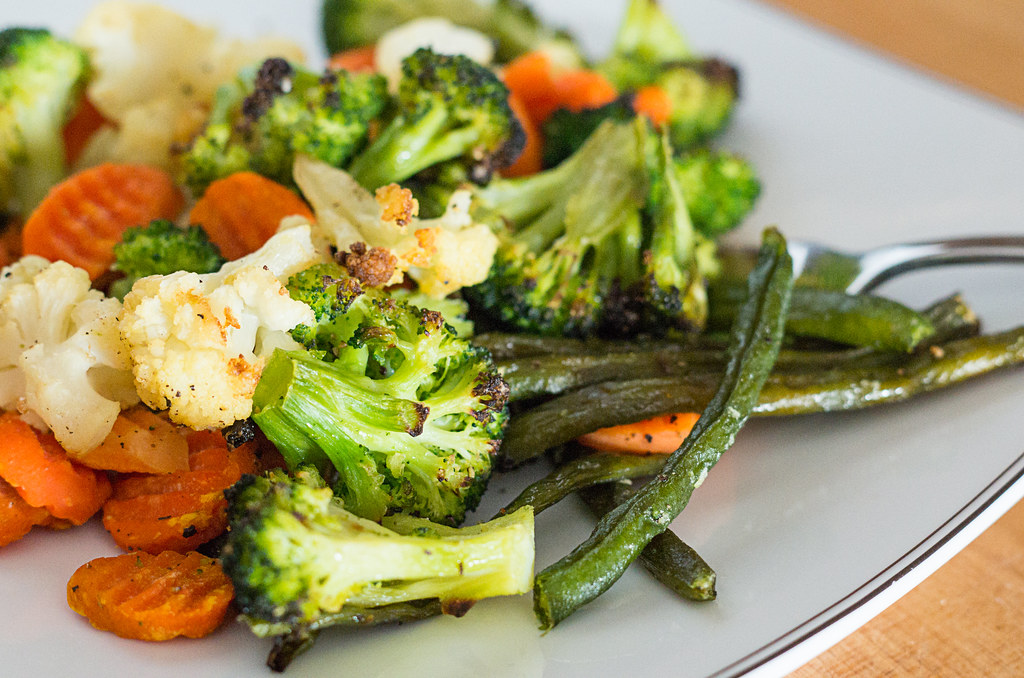
Roasted Vegetables Without Repeating the Same Meal
A familiar roasted-vegetable side can support different dinners if you change the relationship between the vegetables, filling, and finish. Name the vegetables you are using, consider their flavor, and choose dumplings that make sense beside them. You can keep a preparation method you know while giving the plate a different direction through a few deliberate choices.
Identify the vegetables rather than calling them a side
“Roasted vegetables” describes a method but leaves out much of the meal. Carrots, peppers, and broccoli do not contribute the same flavors or textures. Decide which vegetables you intend to prepare and what you enjoy about them. That information gives the filling choice more substance than a general intention to add a side.
Notice what is already in the vegetable mixture. If onions are part of it, an onion filling creates one kind of continuity. If the mixture emphasizes vegetables you experience as sweet, a peppery filling creates another relationship. Neither is automatically better. The aim is to see the combination before buying additional ingredients.
Use your established roasting method for the vegetables and follow the current package directions for the dumplings. Read both preparations before deciding which task comes first, especially if they compete for counter space or attention. Arrange the finished components side by side so you can taste the new combination without changing the vegetable dish itself.
Think about how the vegetables will sit on the plate. Large pieces, a finely cut mixture, and a soft preparation each create a different eating experience. Choose the arrangement that makes the meal comfortable with the dumpling format you want. A familiar method can still produce a considered plate.
Match sweeter vegetables with a considered filling
If the vegetables bring a noticeable sweetness, decide whether you want to echo it or introduce a different note. A savory cheese or onion filling may appeal, while a pepper-containing variety can move the meal toward a more pronounced contrast. The decision should follow your taste rather than an assertion that one pairing is correct.
Kickin’ Jalapeño is a full-size vegetarian pierogi with potato, cheddar, and jalapeño. It provides a specific example of a filling with peppers already inside. If that is the direction you choose, consider whether the vegetables need additional chili seasoning at all.
Do not assume that a product name establishes an exact level of heat. If the variety is unfamiliar, keep the accompaniment straightforward for the first meal. That lets you learn how you enjoy the filling without simultaneously judging several strong seasonings.
If the group includes someone who does not want peppers, account for that before cooking. A different finish cannot remove jalapeño from the filling. Choose a suitable alternative or settle on a shared filling everyone wants, then use optional table accents for those who prefer more intensity.
Keep seasoning from overwhelming the dumplings
Review the seasonings you normally use on the vegetables. A favorite mixture can be part of the meal’s identity, but it may compete with a filling chosen for its own distinctive flavor. Decide which component should lead. You can simplify the vegetables for one dinner without abandoning the method you enjoy.
The descriptions in Holy Perogy’s fillings and retailers in Philadelphia make the distinctions between cheese, onion, mushroom, and pepper-containing varieties easier to assess. Use the selected filling’s actual ingredients to guide the seasoning decision. Then identify a retailer to contact about that variety, rather than treating every bag of dumplings as equivalent.
Imagine the meal without a sauce first. If the vegetables and dumplings both have clear flavors, a rich additional finish may be unnecessary. You can offer a small amount separately for anyone who wants it. This preserves the ability to taste what each component contributes.
Keep strong garnishes optional when preferences vary. A person who enjoys the roasted vegetables plainly should not have to accept a heavily seasoned finish added to the entire serving dish. Table flexibility can come from one considered accent rather than several extra dishes.
Consider the order in which you make choices. Choose the vegetables, choose the filling, then review the seasoning. Starting with several condiments and trying to find food that accommodates all of them can make the meal unnecessarily complicated. A clear sequence helps each decision respond to the last.
Choose a new finishing note instead of more ingredients
When a familiar dinner feels repetitive, change one detail that people will actually notice. A fresh herb or a tart accent may offer a different experience if it suits the food. Treat it as an optional serving idea, and choose something you already know how to use rather than buying a collection of unfamiliar finishing ingredients.
Keep the change specific enough to evaluate. If you alter the vegetable mixture, dumpling filling, sauce, and garnish at once, you may enjoy dinner but learn little about why. Keeping most of the meal familiar lets one new note make a clear contribution.
Ask the people eating what they would keep. Their answer may be simpler than expected: the same vegetables with a different filling, or the same filling without the extra sauce. Those observations can guide the next grocery list more effectively than continually expanding the menu.
The roasted vegetables do not need to become a different recipe every time they appear. They can remain a reliable part of your cooking while the meal around them changes. A deliberate pairing gives a familiar preparation a new context without asking the kitchen to start over.
What You Need to Know
- Identifying the specific vegetables being used helps to better assess which dumpling filling complements them best.
- When deciding on a filling, consider the flavor profile of the vegetables, such as their sweetness or savory elements.
- The sequence of preparation is important; determining which elements to cook first can alleviate competition for counter space.
- Offering strong garnishes as optional allows for flexibility in meal preferences without overpowering the main flavors.
- Making small changes, such as introducing a new herb or finishing note, can refresh a familiar meal without complicating it.