

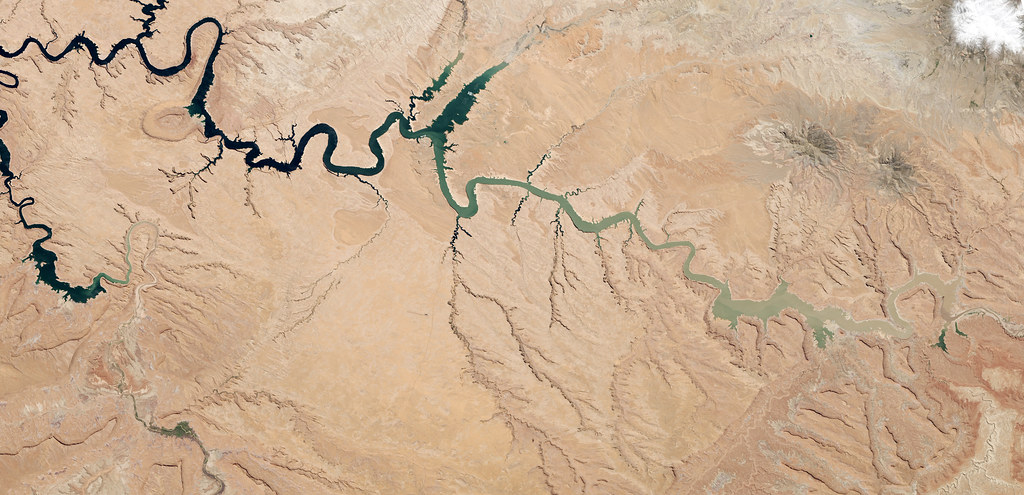
The empty space map challenges our understanding of the galaxy, revealing new insights into its structure and composition. This groundbreaking research uncovers the complexities of what we once thought was empty.
What is the Empty Space Map?
The Empty Space Map is a groundbreaking visualization that reveals the vast voids within our galaxy, challenging previous notions of a densely packed universe. Traditionally, astronomers have focused on the visible matter, such as stars and planets, but this new map emphasizes the significance of the empty expanses that exist between these celestial bodies.
Researchers have utilized advanced technology and data analysis to create this detailed representation, which highlights the areas of low-density material that were previously overlooked. These regions, often referred to as “empty space,” are crucial for understanding the overall structure and behavior of the Milky Way galaxy.
The implications of the Empty Space Map extend beyond mere aesthetics. By studying these voids, scientists aim to gain insights into:
- The formation of stars and galaxies in less dense regions.
- The role of dark matter and its influence on cosmic structures.
- The dynamics of gravitational forces in vast areas of emptiness.
- Potential discoveries of new celestial bodies that exist in these sparsely populated zones.
As researchers continue to explore the implications of the Empty Space Map, it opens up new avenues for understanding the complexities of our galaxy and the universe at large.
Implications for Galactic Studies
The recent findings regarding the empty space map have significant implications for our understanding of galactic studies. As researchers delve deeper into the cosmos, the insights derived from this mapping challenge previously held perceptions of a calm and serene galaxy.
One major implication is the potential for discovering new celestial phenomena. The empty regions identified in the map may not be as devoid of activity as once thought. Instead, they could harbor hidden structures or dark matter concentrations that are yet to be explored. This realization prompts scientists to reconsider their search strategies and methodologies.
Moreover, the empty space map can lead to a reevaluation of galactic evolution theories. By pinpointing areas previously deemed uninteresting, researchers can better understand the formation and development of galaxies over billions of years. This could result in groundbreaking revelations about the universe’s history and the forces that shape it.
Additionally, the map emphasizes the importance of collaboration across various scientific disciplines. Astronomers, physicists, and data scientists must work together to interpret the complexities of the map. The interplay of data from different fields can provide a more comprehensive view of galactic structures and their dynamics.
In conclusion, the empty space map not only expands our knowledge of the galaxy but also reinforces the need for innovative approaches in galactic studies, paving the way for future discoveries.
How Scientists Created the Map
Scientists embarked on the ambitious project of creating the empty space map by utilizing advanced astronomical techniques and a vast array of observational data. The process began with data collection from numerous telescopes, including both ground-based and space-based observatories. These instruments captured a wide spectrum of light, allowing researchers to analyze the density and distribution of cosmic structures.
One of the pivotal methods employed was the use of gravitational lensing. This technique involves studying how light from distant galaxies is bent around massive objects, revealing not only visible matter but also dark matter that contributes to the gravitational field. By observing these lensing effects, scientists gathered crucial insights into the empty regions of space.
Additionally, researchers applied computer simulations to model the universe’s evolution. These simulations helped in predicting where voids of empty space might exist and how they interact with surrounding matter. The combination of observational data and computational models allowed for a comprehensive view of the galaxy.
Ultimately, this empty space map challenges long-held perceptions about the structure of our galaxy. It reveals that these seemingly empty regions are not devoid of activity but are instead dynamic spaces influencing galactic formation and evolution. The map serves as a vital tool for astronomers aiming to understand the complex tapestry of the cosmos.
Surprising Findings from the Research
Recent research utilizing the empty space map has unveiled a series of surprising findings that challenge long-held assumptions about our galaxy. Traditionally, astronomers viewed vast regions of space as largely empty and devoid of significant matter. However, the new map reveals a complex structure that suggests there is much more than meets the eye.
- Unexpected Density Variations: The map shows density variations in areas previously thought to be voids. These regions may harbor previously undetected celestial bodies, altering our understanding of galactic formation.
- Dark Matter Distribution: Findings indicate that dark matter may be unevenly distributed across the galaxy, affecting the gravitational dynamics that govern its structure.
- Galactic Filaments: The research highlights the existence of extensive galactic filaments, which connect clusters of stars and galaxies, creating a web-like structure that was previously unobserved.
- Interactions with Dark Energy: New insights suggest that these empty regions play a crucial role in the interactions between dark matter and dark energy, further complicating our understanding of cosmic evolution.
These revelations from the empty space map not only enhance our comprehension of the Milky Way but also pose new questions regarding the overall architecture of the universe. As scientists continue to analyze this groundbreaking data, the implications for our cosmic perspective are profound.
The Future of Space Exploration
The future of space exploration is poised for significant advancements as researchers continue to analyze the empty space map. This groundbreaking tool not only enriches our understanding of the cosmos but also sets the stage for future missions and discoveries.
One of the most promising developments is the potential for identifying previously undiscovered celestial bodies. With the empty space map revealing regions of the galaxy that are less densely populated with stars, astronomers can focus their telescopes on these areas, searching for new planets, asteroids, and even black holes that may have gone unnoticed. This targeted approach could lead to revolutionary findings in the field of astrophysics.
Additionally, the insights gained from the empty space map can enhance our understanding of dark matter and dark energy, two of the universe’s greatest mysteries. By studying the distribution of empty space, scientists can refine their models and hypotheses regarding how these elusive components shape the structure of our galaxy.
Moreover, as technology continues to evolve, the implementation of advanced observational tools and AI-driven analytics will allow for deeper exploration of vast cosmic expanses. This combination of innovative technology and detailed maps opens new avenues for understanding the universe.
In summary, the empty space map not only challenges existing perceptions of our galaxy but also serves as a catalyst for future exploration, promising to unveil the secrets of the cosmos.
Public Reaction to the Discoveries
The recent unveiling of the Empty Space Map has spurred a wave of public interest and debate. The map, which reveals previously unknown regions of our galaxy, has captivated both astronomy enthusiasts and casual observers alike. Many are expressing their astonishment at the vastness of what was once perceived as empty space.
Among the reactions, several themes have emerged:
- Curiosity: Many individuals are eager to learn more about the implications of the Empty Space Map. Social media platforms are buzzing with discussions and questions about what these discoveries mean for our understanding of the universe.
- Inspiration: The map has inspired a new generation of young scientists and astronomers. School clubs and science programs are seeing increased participation as students express a newfound interest in space exploration.
- Concerns: Some skeptics are questioning the accuracy and methodology behind the Empty Space Map. They argue that further validation is necessary to fully comprehend the significance of the findings.
Overall, the public reaction reflects a blend of excitement and skepticism, showcasing the profound impact that the Empty Space Map has had on our collective view of the galaxy. This blend of emotions highlights the importance of ongoing dialogue and research in the field of astronomy.
Next Steps in Galactic Research
As researchers continue to analyze the data from the empty space map, several next steps in galactic research are emerging. The insights drawn from the map not only challenge existing paradigms but also pave the way for a deeper understanding of our galaxy’s structure and dynamics.
One of the primary objectives is to refine the existing models of dark matter and its distribution throughout the galaxy. Scientists aim to identify the areas of concentrated dark matter that the empty space map has revealed, which could significantly alter our comprehension of gravity’s role in cosmic evolution.
Additionally, researchers plan to explore the correlation between the mapped empty spaces and the formation of celestial bodies. This could lead to new theories about star formation and the lifecycle of galaxies.
Another critical avenue of research will involve utilizing the empty space map to enhance our knowledge of cosmic events, such as supernovae and black hole interactions. These phenomena could be better understood by examining the relationship between these events and the vast voids identified in the map.
Finally, interdisciplinary collaborations will be encouraged, bringing together astronomers, physicists, and computer scientists to develop innovative analytical tools. Such efforts will ensure that the empty space map serves as a comprehensive resource for ongoing and future studies, enriching our understanding of the universe.
By NASA Goddard Photo and Video via Openverse