






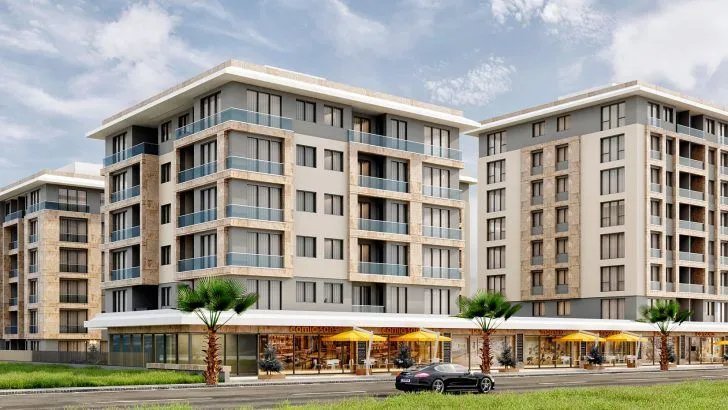
Singapore does not have much land, so every wall, roof and window has to pull its weight. Builders now treat energy and water as part of the design brief, not an afterthought. Developments like Chencharu Central Residences show how green thinking has moved from the margins into everyday projects.
Buyers notice too. Lower bills and cooler rooms are easy to appreciate. This article looks at six sustainable design ideas shaping new homes here, and how to spot the ones that truly work.
Passive Cooling and Smart Orientation
Good design starts before any machine is switched on. Architects angle buildings to dodge harsh afternoon sun and catch breezes. Deep balconies and overhangs shade windows, so rooms stay cooler without extra effort.
Cross ventilation helps too. When air can flow through a unit, fans do more and air conditioners do less. During a viewing, open a window and feel the draft. That small test tells you more than a spec sheet will.
Solar Panels and Clean Energy
Rooftops are valuable space. Many new estates fit solar panels to power lifts, lights and pumps in shared areas. That trims the service charges residents pay over the years.
Ask how much energy the system actually produces and who maintains it. Panels that are dusty or broken save nothing. Buyers comparing Fablewoode Residences with other projects often ask for real usage figures, which is a sensible habit.
Water Saving and Rain Harvesting
Rain falls hard here, so collecting it makes sense. Tanks store water for watering plants and washing common areas. Efficient taps, showers and toilets cut use inside each home.
These features are quiet but steady. Lower water bills add up across a decade. Check whether fittings carry official water efficiency labels, since labels give you something solid to compare.
Greenery, Roofs and Walls
Plants do more than look nice. Green roofs and vertical gardens cool surfaces, soak up rain and bring birds and insects back to the city. They also soften the feel of tall concrete blocks.
Maintenance decides success. A neglected green wall turns brown fast. Ask who looks after the plants and how often. A well kept garden shows that management takes the idea seriously.
Eco Friendly Materials and Construction
What a building is made from matters before anyone moves in. Low carbon concrete, recycled steel and responsibly sourced timber reduce the footprint of construction. Prefabricated parts cut waste on site.
Durable materials also last longer which means fewer repairs and less landfill. Ask the sales team what materials were used and why. Clear answer suggest the choices were deliberate, not decorative.
Green Ratings and Long Term Savings
Official green certifications grade buildings on energy, water, waste and indoor comfort. A higher rating signals that the project met tested standards. In Singapore, schemes such as BCA Green Mark distinguish between basic compliance and higher tiers like GoldPLUS, Platinum, or Super Low Energy. Asking whether a project holds a provisional design rating or a verified final certificate helps confirm that promised savings are built into the actual property rather than just the sales brochure.
Savings arrive slowly, though. Efficient lifts, lighting and cooling lower running costs year after year, which can help resale appeal later. Check the rating level and what it covers. Labels differ, and the details are worth reading. Look closely at how those savings reach your household as well. Common area upgrades like rooftop solar panels and motion-sensor lighting help keep estate maintenance fees steady, while high-tick air conditioners, low-emissivity glass, and water-efficient fittings directly reduce your own monthly utility bills.
Conclusion
Sustainable design is becoming a normal part of Singapore housing. Smart orientation, solar power, water saving, greenery and careful materials all play a role, and together they lower costs and improve comfort. Look closely at how those green features translate into your actual monthly bills as well. High efficiency cooling systems, solar panels for common areas, and smart water fittings can keep estate maintenance fees steady over time. At the same time, check your specific unit’s orientation and window glazing so afternoon heat does not force your air conditioner to work overtime.
Compare options such as Central Residences or Residences, and ask for evidence behind every green claim. A home that saves resources and money is a smart long term choice. Finally, think about how future buyers and tenants will view the property ten years from now. As Singapore moves toward stricter energy targets, homes built with genuine efficiency hold stronger resale and rental appeal than older, energy heavy blocks. Picking a well designed, genuinely sustainable condo protects both your daily comfort and your long term investment.
What You Need to Know
- Builders in Singapore now incorporate energy and water efficiency into the design of new developments rather than treating them as secondary considerations.
- Passive cooling techniques, such as smart building orientation and cross ventilation, are essential for keeping homes cool without relying heavily on air conditioning.
- Solar panels installed on rooftops can significantly reduce service charges by powering shared areas, but their effectiveness depends on regular maintenance and energy production figures.
- Rainwater harvesting and efficient water fittings help reduce water bills for residents, making it important to check for official water efficiency labels.
- Sustainable materials like low carbon concrete and recycled steel minimize the construction footprint, and consumer inquiries about material choices can indicate the project’s environmental commitment.
- Green ratings, such as BCA Green Mark, provide insights into the building’s energy and resource efficiency, and understanding these certifications is crucial for assessing long-term savings.