


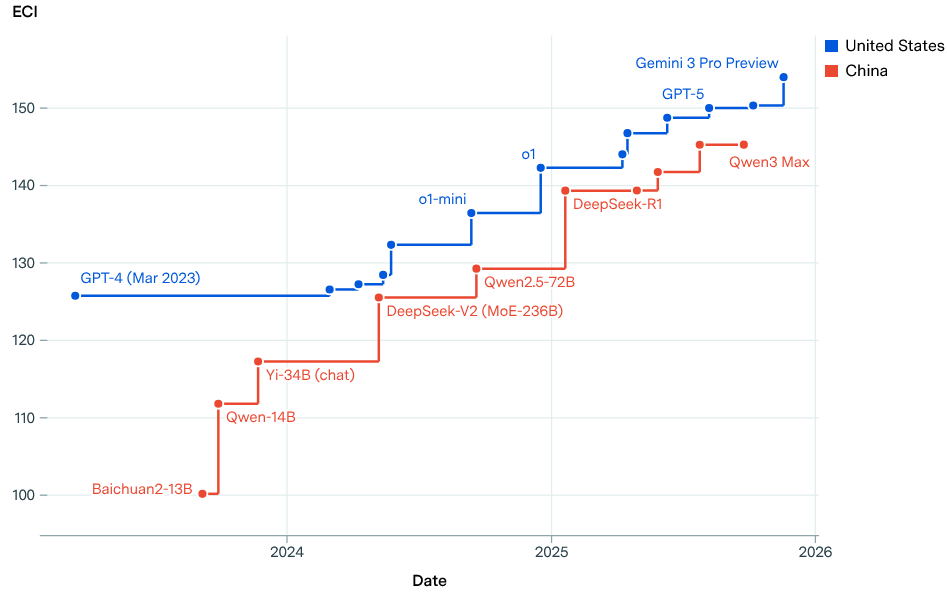
China open AI models are becoming increasingly favored, particularly with the rise of platforms like DeepSeek. This trend raises questions about the differing approaches to AI across the globe.
Understanding China’s Approach to AI
China’s approach to AI development is characterized by a strong emphasis on open AI models, which are seen as essential for fostering innovation and collaboration. Unlike many countries that prefer to keep their AI technologies proprietary, China encourages the use of open AI models to promote knowledge sharing and accelerate advancements in the field.
One prominent example of this strategy is DeepSeek, an open-source AI framework that allows developers to build and improve upon existing models without the constraints of licensing fees. This initiative highlights several key aspects of China’s AI philosophy:
- Collaboration: By making AI models available to the public, China fosters an environment where researchers and businesses can work together to solve complex problems.
- Speed: Open AI models enable faster iterations and improvements, allowing developers to quickly adapt to changing market needs.
- Accessibility: With open AI models, smaller companies and startups gain access to advanced technologies that they might not otherwise afford.
- Global Influence: By leading in open AI frameworks, China positions itself as a key player in the global AI landscape, influencing standards and practices worldwide.
As China continues to invest in these open AI models, the country is poised to shape the future of artificial intelligence innovation.
Comparing Global AI Strategies
The global landscape of artificial intelligence is rapidly evolving, with various countries adopting distinct strategies to harness its potential. In recent years, China’s approach to AI has garnered significant attention, particularly its preference for open AI models. This strategy contrasts sharply with that of the United States and Europe, where concerns about data privacy and security often lead to more restrictive frameworks.
China open AI models like DeepSeek exemplify the nation’s commitment to fostering innovation and collaboration. These models are designed to be accessible, allowing developers and researchers to build upon existing technologies. This openness is seen as a catalyst for rapid advancements, enabling Chinese companies to compete on a global scale.
In contrast, Western countries tend to favor proprietary systems, resulting in a more cautious environment. The focus on individual company security and intellectual property may hinder the pace of innovation. However, proponents of this approach argue that it safeguards sensitive data and mitigates risks associated with AI deployment.
As these contrasting strategies unfold, key questions arise:
- Will China’s open model lead to greater technological breakthroughs?
- Can Western nations adapt their strategies to balance innovation with security?
- What implications do these differing approaches have for global collaboration in AI development?
The answers to these questions may shape the future of AI as nations navigate the balance between innovation and safety.
The Rise of DeepSeek in China
In recent years, one of the most notable developments in China’s AI landscape has been the rise of DeepSeek, an open AI model that has captured significant attention both domestically and internationally. This model exemplifies China’s commitment to fostering innovation through transparency and collaboration.
DeepSeek’s architecture allows for rapid iteration and improvement, making it a powerful tool for various applications, from natural language processing to image recognition. By embracing open AI models, China aims to harness the collective intelligence of researchers and developers across the nation.
Several factors contribute to the increasing preference for open AI models like DeepSeek:
- Access to Resources: Open models facilitate easier access to advanced tools and resources, leveling the playing field for smaller companies and startups.
- Collaboration Opportunities: Open AI encourages collaboration among researchers, leading to innovative solutions that might not emerge in closed environments.
- Fostering Talent: By promoting an open ecosystem, China nurtures a skilled workforce adept in AI technologies, positioning itself as a leader in the global market.
As the world navigates the complexities of AI development, China’s focus on open AI models, particularly through initiatives like DeepSeek, showcases a bold strategy aimed at driving technological advancement and maintaining a competitive edge.
Benefits of Open AI Models
The shift towards open AI models in China presents several key benefits that align with the nation’s innovation goals. By embracing open AI models, China fosters a collaborative environment that encourages the sharing of knowledge and resources among developers and researchers.
One significant advantage is the acceleration of technological advancement. Open AI models allow developers to build upon existing frameworks, leading to faster iterations and improvements. This collaborative approach not only enhances the quality of AI applications but also attracts global talent looking to contribute to groundbreaking projects.
Furthermore, open AI models promote transparency and ethical practices in AI development. With access to source codes and algorithms, stakeholders can scrutinize the technology, ensuring it aligns with societal values and standards. This transparency builds public trust, which is crucial for the widespread adoption of AI technologies.
In addition, open AI models can reduce costs for startups and small businesses. By utilizing existing frameworks, these companies can innovate without the heavy financial burden of developing AI from scratch. This democratization of technology paves the way for a more diverse landscape of AI applications.
In summary, China’s embrace of open AI models not only drives innovation but also cultivates an ecosystem that prioritizes collaboration, transparency, and inclusivity, positioning the nation as a leader in the global AI landscape.
Challenges Facing AI Development
Despite the rapid advancements in AI technology, the development of open AI models in China faces several challenges that could impact their effectiveness and adoption. One of the primary obstacles is the regulatory environment. The Chinese government has implemented strict guidelines that govern data usage and privacy, which can hinder innovation and limit access to essential data sets needed for training AI models.
Additionally, there is the challenge of talent acquisition. While China has a vast pool of engineering talent, there is fierce competition among tech companies to attract AI specialists. This competition can lead to a talent drain, where skilled professionals are drawn to opportunities in more established markets abroad, leaving a gap in the domestic workforce.
Another significant challenge is public perception. Many Chinese citizens remain wary of AI technologies, particularly regarding privacy and surveillance concerns. This skepticism can slow the acceptance of open AI models, which rely on collaboration and transparency. Moreover, the rapid pace of AI development means that models can quickly become outdated, requiring constant updates and improvements to stay relevant.
In summary, while China’s open AI models like DeepSeek present exciting opportunities for innovation, navigating regulatory hurdles, competing for talent, and addressing public concerns are critical challenges that must be addressed to fully realize their potential.
Future of AI in China
The future of AI in China appears to be closely tied to the country’s commitment to open AI models. As advancements in artificial intelligence accelerate globally, China’s strategy emphasizes collaboration and accessibility, positioning itself as a leader in innovation.
One of the primary drivers behind this approach is the belief that open AI models can foster rapid development and deployment. By encouraging a community-driven environment, researchers and developers can share insights and resources, leading to groundbreaking applications that benefit various sectors, from healthcare to finance.
Moreover, China’s focus on open AI models aligns with its goal of enhancing technological self-sufficiency. This strategy not only reduces reliance on foreign technologies but also promotes a culture of innovation that is essential for sustained economic growth. The Chinese government supports initiatives that facilitate the creation of open-source frameworks, which can be utilized by both startups and established corporations.
However, the future is not without its challenges. As the landscape of AI evolves, ensuring ethical standards and addressing potential risks associated with open AI models will be crucial. Policymakers must navigate the complexities of regulation while encouraging innovation.
In conclusion, the trajectory of AI in China, driven by open AI models, holds promise for transformative advancements, but it requires careful consideration of ethical implications and regulatory frameworks.
As businesses look to adopt cutting-edge technology, many are turning to China open AI models for their advanced capabilities. These models not only enhance innovation but also provide a competitive edge in the global market.
By Luke Emberson via Openverse
References
Related stories
Steve Rogers Mjolnir: The Best Proven Avengers Trailer · Squid Genetic Expression: Best Proven Insights Revealed · New browser options: What are the best choices for 2023?