







Tether AI training is revolutionizing how we approach STEM problems. With its latest release, Tether aims to enhance the understanding of complex subjects through AI explanations.
What is Tether AI Training?
Tether AI training is an innovative approach designed to enhance the ability of artificial intelligence systems to explain complex STEM (Science, Technology, Engineering, and Mathematics) problems, rather than merely providing direct answers. This method is part of a broader initiative by Tether, which aims to improve AI’s educational capabilities and make it a more effective tool for students and professionals alike.
With the release of Genesis III, Tether has taken a significant step forward in this domain. The platform focuses on training AI to articulate the reasoning behind its responses, encouraging deeper understanding among users. By fostering a dialogue between the AI and learners, Tether AI training emphasizes critical thinking and problem-solving skills.
Key features of Tether AI training include:
- Interactive Learning: Users engage in a back-and-forth with the AI, allowing for clarification and deeper exploration of concepts.
- Contextual Understanding: The AI is trained to recognize and explain the underlying principles of various STEM topics.
- Accessibility: Tether aims to make STEM education more approachable for individuals at different levels of expertise.
As Tether continues to refine its AI training methods, many educators and students are hopeful that these advancements will lead to improved learning outcomes in STEM fields.
How Does Tether Improve STEM Learning?
Tether AI training offers a unique approach to enhancing STEM learning by emphasizing understanding over rote responses. Unlike traditional methods, Tether focuses on helping students grasp the underlying principles of complex topics. This is achieved through a combination of interactive learning experiences and tailored feedback, ensuring that each learner can progress at their own pace.
The platform employs advanced algorithms to analyze a student’s strengths and weaknesses, allowing for personalized educational pathways. This adaptability is crucial in STEM fields, where concepts often build upon one another. By using Tether AI training, students can receive guidance on specific areas where they struggle, thus reinforcing their comprehension.
Moreover, Tether’s recent release of Genesis III enhances its capabilities, enabling the AI to explain concepts in-depth rather than simply providing answers. This shift encourages critical thinking and problem-solving skills, essential components of STEM education.
Users of the platform have reported increased engagement and confidence in tackling challenging subjects. Some key features that contribute to its effectiveness include:
- Interactive simulations that allow students to visualize concepts.
- Real-time feedback that helps learners adjust their approach immediately.
- Collaborative tools that promote peer learning and discussion.
Overall, Tether AI training represents a promising direction for addressing the challenges faced in STEM education today.
The Benefits of AI in Education
The integration of artificial intelligence in education has opened up new avenues for enhancing learning experiences, particularly in the fields of science, technology, engineering, and mathematics (STEM). One notable advancement is Tether AI training, which offers several benefits that can significantly impact students’ understanding of complex subjects.
Firstly, AI-driven platforms can provide personalized learning experiences tailored to individual students’ needs. This adaptability allows learners to progress at their own pace, ensuring that they grasp fundamental concepts before moving on to more advanced topics. Additionally, Tether AI training enables real-time feedback, helping students identify and correct mistakes instantly, which reinforces their understanding.
Moreover, AI can present information in engaging and interactive formats. By utilizing simulations and visual aids, Tether AI training captivates students’ attention and makes learning more enjoyable. This interactive approach can inspire students to delve deeper into STEM subjects, fostering a lifelong passion for learning.
Furthermore, Tether AI excels at breaking down complex problems into manageable steps, allowing students to tackle challenges systematically. This method not only enhances problem-solving skills but also builds confidence in their abilities.
In summary, the benefits of Tether AI training in education extend beyond mere information delivery, promoting an enriching learning environment that prepares students for future success in STEM fields.
Comparing Tether’s Approach to Traditional Methods
When examining Tether AI training, it’s important to compare its innovative approach with traditional educational methods. While conventional learning often relies on rote memorization and passive absorption of information, Tether’s strategy emphasizes active engagement and understanding.
Traditional methods typically feature:
- Lecture-based learning: Students receive information primarily from instructors, which can lead to a disconnect between theory and application.
- Standardized testing: Assessments focus on memorization rather than problem-solving skills, often neglecting the complexities of real-world STEM challenges.
- One-size-fits-all solutions: Standard curricula may not cater to individual learning styles, leaving some students behind.
In contrast, Tether AI training introduces a more dynamic learning environment:
- Interactive problem-solving: Students engage directly with AI, which helps them grasp concepts through exploration and inquiry.
- Personalized feedback: The AI adapts to students’ needs, offering tailored guidance that enhances comprehension.
- Focus on explanation: Tether aims to train AI not just to provide answers but to elucidate the reasoning behind them, fostering deeper understanding.
As educational institutions increasingly seek effective ways to enhance STEM learning, Tether AI training stands out as a promising alternative to traditional methods.
User Experiences with Tether AI
Users have reported varied experiences with Tether AI training, highlighting both its advantages and limitations in solving STEM problems. Many students and educators have embraced the innovative approach, finding it to be a valuable tool for understanding complex concepts.
One user, a high school science teacher, noted that Tether AI has transformed her classroom dynamics. She remarked, “Students are more engaged when they can interact with AI that explains the reasoning behind solutions, rather than just providing answers. It fosters a deeper understanding.”
Another student shared, “Using Tether AI training helped me grasp difficult math concepts that I struggled with before. The step-by-step explanations made it easier to follow along.”
However, some users expressed concerns about the reliance on AI. A college student mentioned, “While Tether AI training is helpful, I worry that some peers might become too dependent on it and not develop critical problem-solving skills.”
Despite these concerns, the overall sentiment is positive. Users appreciate how Tether’s AI capabilities cater to diverse learning styles, making STEM subjects more accessible. As Tether continues to evolve, the potential for AI in education remains promising, with many hoping it can address the challenges faced in traditional learning environments.
Future of AI in STEM Education
The future of AI in STEM education looks promising, particularly with innovations like Tether AI training. As educational institutions increasingly integrate AI technologies, the potential for personalized learning experiences grows. One significant advantage of Tether AI training is its ability to enhance critical thinking and problem-solving skills among students.
With tools designed to explain concepts rather than merely provide answers, Tether AI can foster a deeper understanding of STEM subjects. This shift encourages students to engage actively with the material, promoting inquiry and exploration. The interactive nature of Tether’s approach allows learners to pose questions and receive tailored explanations, making abstract concepts more accessible.
Moreover, the incorporation of Tether AI training in classrooms can help bridge the gap between theoretical knowledge and practical application. As students work through complex problems, they can receive real-time feedback, enabling them to refine their thought processes and methodologies.
As we look toward the future, it’s clear that AI will play a pivotal role in reshaping STEM education. The continuous development of AI technologies, like those offered by Tether, will likely result in more adaptive learning environments that cater to individual student needs. This evolution could mark a significant turning point in how STEM subjects are taught and understood.
Conclusion: Is Tether AI Training Worth It?
In conclusion, the question of whether Tether AI training is worth it hinges on several factors that address the needs of students and educators alike. As educational institutions increasingly embrace technology, Tether’s innovative approach stands out for its focus on not only answering questions but also explaining complex STEM concepts in a digestible manner.
The following points highlight the potential value of Tether AI training:
- Enhanced Understanding: By prioritizing explanations, Tether AI training encourages deeper comprehension among students, making it more than a tool for rote learning.
- Accessibility: The platform is designed to be user-friendly, allowing students from diverse backgrounds to engage with STEM subjects effectively.
- Adaptability: Tether’s system learns from user interactions, tailoring its responses to meet individual learning styles and paces.
- Positive User Feedback: Many users report improved confidence and performance in STEM subjects after using Tether AI training, underscoring its practical benefits.
However, it remains essential to consider potential drawbacks, such as reliance on technology and the need for human oversight in education. Ultimately, Tether AI training could represent a significant step forward in STEM education, but its effectiveness will depend on how it is integrated into existing teaching frameworks.
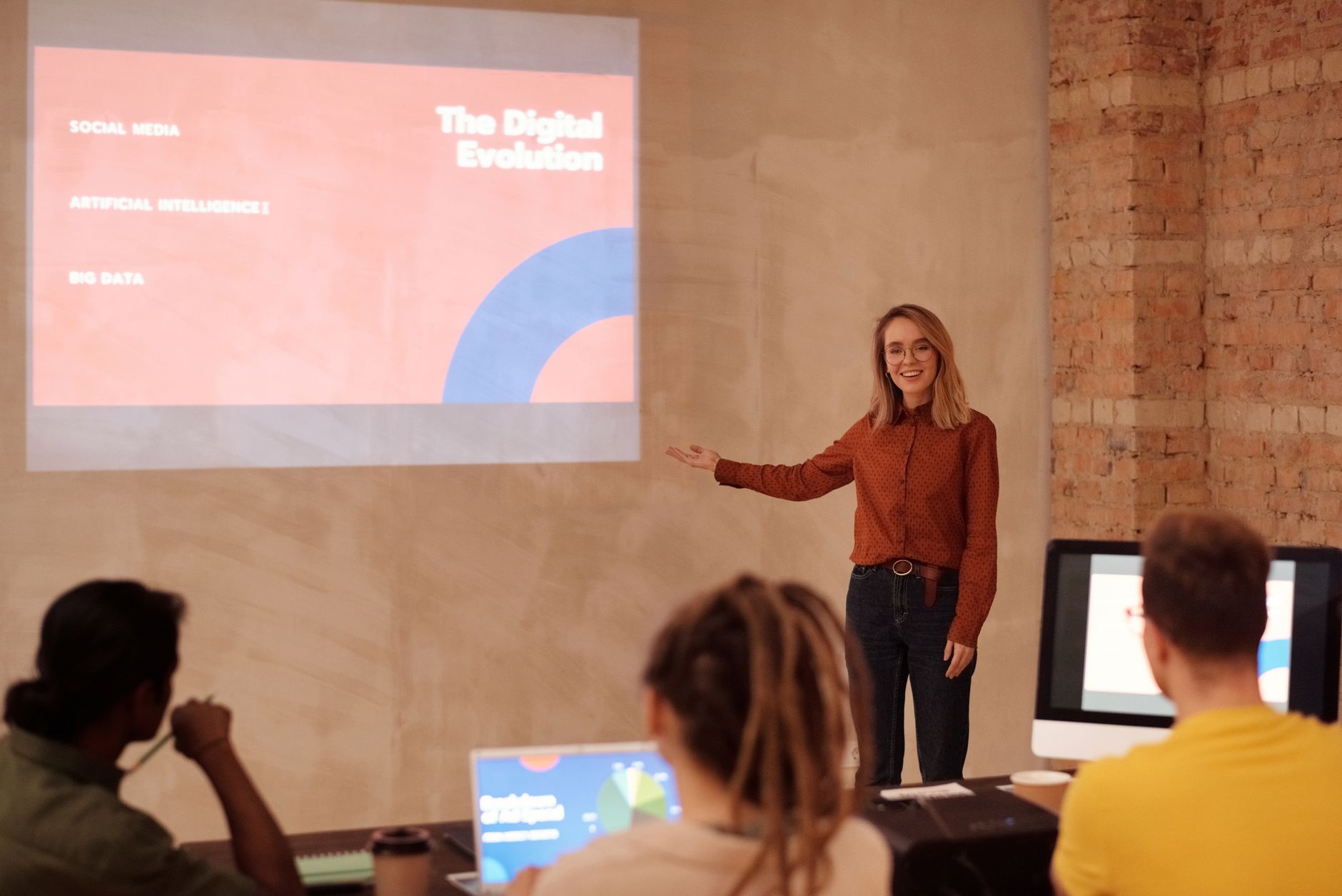
Photo by Mikael Blomkvist on Pexels